
Best Roofing Systems for Hurricanes: Recommendations for Coastal Commercial Buildings
Coastal commercial buildings take the worst of every storm, so choosing the best roofing for hurricanes is not optional if you want to limit downtime, liability, and repair costs. This guide compares hurricane-resistant roofing and storm-proof roofing options—metal roofs, impact-resistant shingles, reinforced membranes, and wind-resistant roof materials—and explains how material choice, roof design, and installation details affect durability and lifecycle cost. You will get practical recommendations for commercial hurricane-proof roof solutions, inspection priorities, and the cost-performance tradeoffs that matter on the coast.
Frequently Asked Questions
Direct answer first: the single most important determinant of the best roofing for hurricanes on a commercial coastal building is the system attachment and detailing, not just the material. A properly specified, wind-rated roof that is poorly fastened or flashed will fail long before a lower-cost system that was engineered and installed to a wind standard.
Key consideration: prioritize continuous load paths, perimeter anchorage, and penetrations. Those are where failures start in high winds. If you only upgrade materials and leave edge metal, curb flashings, drains, and rooftop equipment unsecured, you have paid for marginal gains.
Misunderstanding to avoid: many owners assume impact-resistant shingles or a visually heavy metal roof alone make a building storm-proof. For low-slope commercial roofs the real choices are engineered membrane systems, mechanically-fastened or fully-adhered metal panels with tested clip systems, and hybrid reinforced membranes – and each has distinct tradeoffs in cost, maintenance, and repairability.
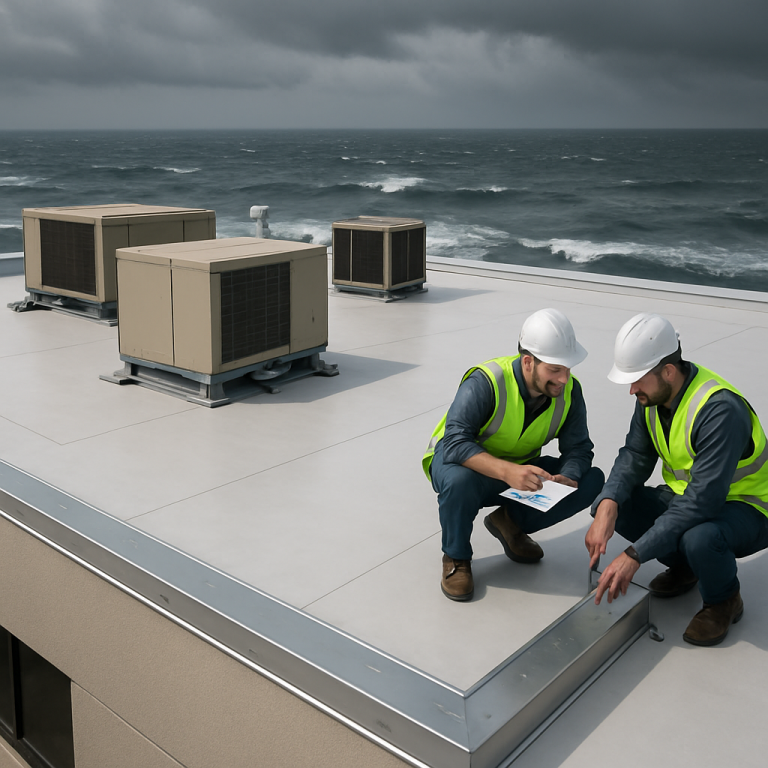
Concrete Example: A 6-story waterfront office replaced an aging BUR with a fully-adhered, reinforced TPO membrane and upgraded membrane-to-deck fasteners along the perimeter. During a subsequent 120 mph event the membrane held, but several rooftop HVAC curbs failed where straps were absent. The retrofit showed material selection worked, but the job underscored the need to tie down equipment as part of roofing work.
Specific FAQs owners actually need answered
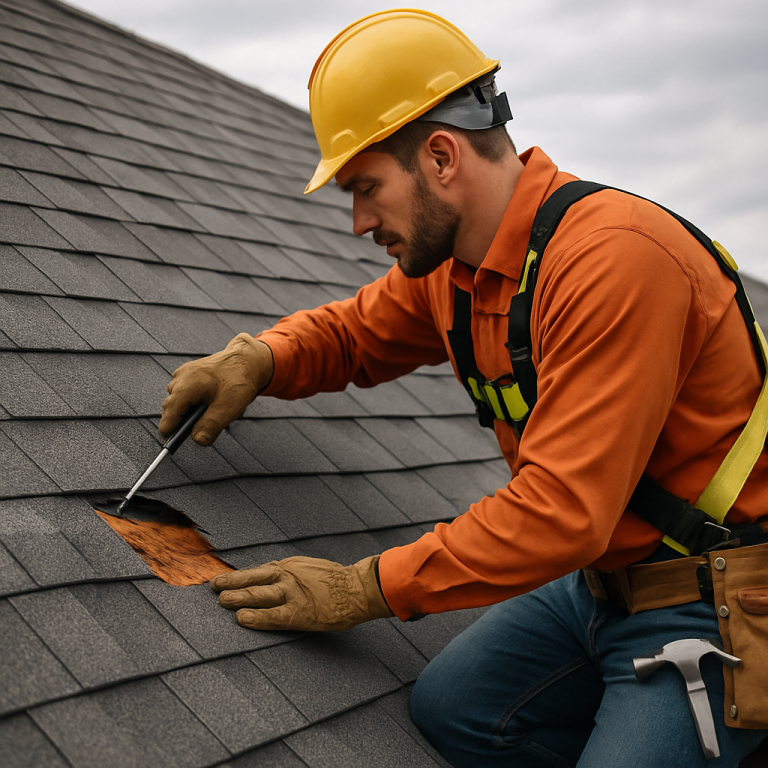
What about metal roofing for hurricanes? Metal can be excellent for wind resistance when using tested clip profiles and continuous edge details, but it demands precise thermal movement design and skilled fastener layout. Expect higher initial cost and quieter rain transmission; expect lower replacement frequency.
How to choose between single-ply and reinforced membranes? Choose based on roof slope, traffic, and attachment capability. Fully-adhered reinforced membranes are more resilient to uplift and ponding; mechanically-fastened membranes are cheaper and faster but need stronger field fastener patterns for high-wind zones.
- Practical tradeoff: spend 70 percent of your retrofit budget on attachment and flashings, 30 percent on fancy finishes.
- Insurance and code: get a wind-rating inspection and a stamped wind-resistance detail to qualify for credits and reduce deductibles. See Insurance Industry Blog for industry context.
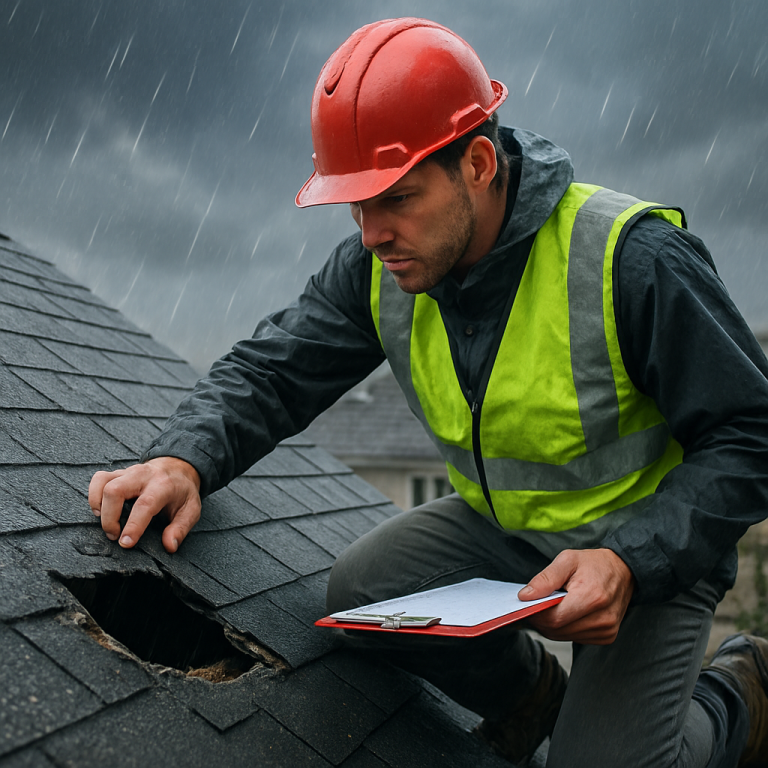
Next actions you can implement now: commission a wind-load audit, require wind-rated details in contracts, and tie rooftop equipment into the roof and structural anchors. Schedule a mid-season inspection focused on edge metals, penetrations, and fastener backout.