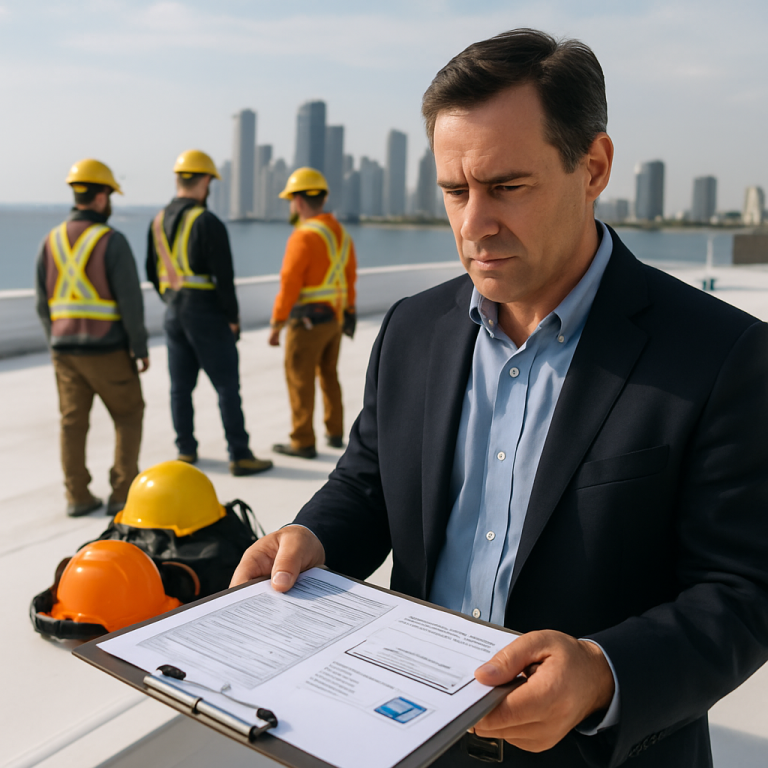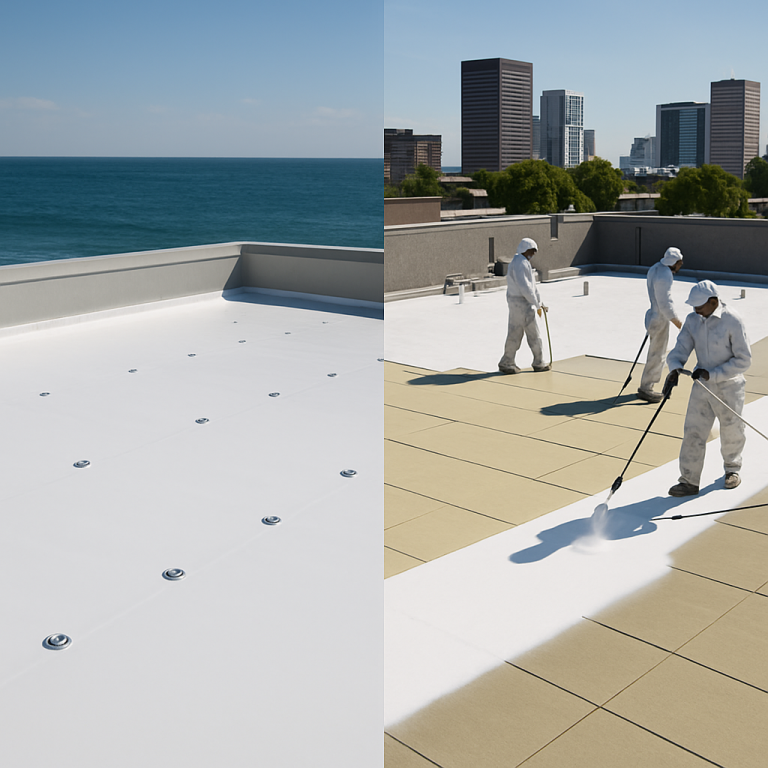

Choosing among roofing companies biloxi ms for large commercial waterproofing, roof coating, or replacement projects is a high-stakes decision—salt air, hurricane winds, and tight uptime requirements make poor choices expensive and risky. This guide walks facility and property decision makers through a practical vetting process: define measurable scope, verify licensing, insurance and manufacturer approvals, compare technical systems and warranties, and build contract protections. Use the included checklists, RFP language, and scoring matrix to compare bids on performance instead of price.
1. Define the Project Scope and Performance Requirements
Make the scope quantitative before you solicit bids. Translate operational constraints and lifecycle expectations into measurable requirements a bidder must meet, not suggestions they can reinterpret.
Key scope elements to document. Provide exact roof square footage with roof plan references, deck type and material, existing insulation R value and thickness, expected service life in years, allowable outage windows for occupied areas, and any rooftop equipment that must remain in service.
Performance criteria that change the design and price
Include measurable targets that directly affect system selection: required design wind uplift rating (cite FM Global or UL listing), ponding tolerance in minutes or pass/fail flood test, minimum Solar Reflectance Index if a cool roof is desired, and leak acceptance defined as no active water penetration after a 24 hour flood test or infrared scan verification.
- Documentation to require in the RFP: roof core pulls and lab results, as-built drawings, substrate condition report, manufacturer system approval letter, applicator certification, and a draft preventative maintenance plan
- Schedule and uptime constraints: allowed work hours, weekend/holiday work windows, and a storm-season contingency plan
- Acceptance testing: infrared scan, moisture survey, and flood test criteria tied to payment milestones
Practical tradeoff: higher wind uplift and full adhesion reduce long-term failure risk on the Gulf Coast but add cost and extend installation time. Conversely, low-cost coating overlays can be attractive for service life extension but only when the substrate is dry, clean, and structurally sound. Treat coatings as a conditional option, not a default.
Concrete example: A 75,000 square foot hotel roof in Biloxi with continuous occupancy required a 20 year design life, FM 1-90 uplift rating, and a no-more-than-48-hour continuous outage window. The owner specified core pulls at 50 locations, manufacturer letter confirming applicator authorization, and a flood test before final payment. That shifted several low bids out of contention because those contractors had not budgeted for full tear-off and reattachment.
A common misstep is leaving acceptance criteria vague. Owners think visual dryness equals success. In practice, unverified patches and hidden wet insulation are the usual failure modes on coastal projects. Require objective tests and make final payment conditional on passing them.
Define what success looks like in measurable terms and make testing part of the contract – this forces bidders to price the right work, not an optimistic shortcut.

Next consideration: use the scope and performance block to prequalify roofing contractors and require manufacturer approval evidence up front. For reference on wind uplift standards consult FM Global and for local applicator authorization check roofwaterproofing.us.
Frequently Asked Questions
Straight answer first: focus on verifiable documentation, not promises. When vetting roofing companies biloxi ms your questions should force producers into paper: active state license, current COI with project-specific limits, manufacturer applicator letter, and measurable acceptance tests baked into payment milestones.
Licensing, insurance and how to confirm them
Check the record: verify the contractor at Mississippi State Board of Contractors and get a copy of the license number in the prequalification packet. Call the board when in doubt to confirm classification limits, active status, and any disciplinary actions. Ask for a certificate of insurance that names the owner as additional insured and shows policy limits that match your project size.
Warranties and the practical tradeoff
Two different protections: a manufacturer warranty covers materials, a contractor workmanship guarantee covers installation. Insist on manufacturer confirmation of the applicator in writing because many material warranties are void without an authorized applicator. Third party backed warranties cost more but remove most of the owner risk when a contractor becomes insolvent.
System choice in a Gulf Coast climate
Wind and salt matter more than style. Require FM Global or UL listings for assemblies and be explicit about adhesion method, wind uplift rating, and salt air compatibility. Full adhesion often reduces long term failure on low slope commercial roofs but increases cost and installation time compared with mechanical attachment.
Concrete example: A 60,000 square foot casino roof in Biloxi was originally bid as a coating overlay. After core pulls showed trapped moisture, the owner required partial tear off and an adhered TPO system with manufacturer authorization. The adjusted bid rose 28 percent, but the owner avoided repeated callbacks and a full reroof within five years.
Scheduling, hurricane season and contingency planning
Build storm risk into the schedule. Require a storm contingency plan that covers temporary tarping, material storage, rapid demobilization, and defined mobilization windows after tropical watches. Accepting a low bid that ignores seasonality is a common source of costly delays.
What to request from references and site visits
- Facility manager contact: verify schedule adherence and punchlist closure details
- Project documentation: before and after photos of flashings and seams, material invoices with product codes, and the final warranty package
- Service history: records of any callbacks, emergency repairs, and how warranty claims were handled
Practical judgment: owners who prioritize verifiable system approvals and payment holdbacks over the lowest bid get the best lifecycle outcome. In the Biloxi market a midrange bid with FM listed assemblies and a clear contingency plan typically outperforms the cheapest offer within three years.
- Action 1: Verify license at Mississippi State Board of Contractors and obtain COI naming owner as additional insured
- Action 2: Demand a manufacturer applicator letter and copy of the proposed warranty; confirm with the manufacturer or authorized distributor
- Action 3: Make passing objective acceptance tests such as flood testing or infrared scans a contractual holdback condition
- Action 4: Require a written storm contingency and a liquidated damages clause for critical schedule windows