
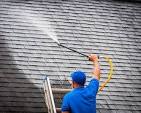
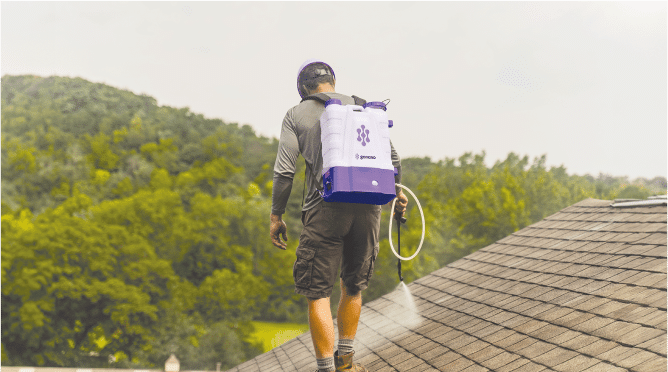
If you manage a commercial roof, cleaning is not cosmetic – it is a technical prerequisite that determines whether coatings and membranes perform as promised. When building owners and facility managers search for roof cleaning companies near me, they need contractors who understand membrane compatibility, runoff controls, and manufacturer pre-application requirements. This article explains the methods local roof cleaning companies use, how cleaning affects adhesion, warranty and drainage, and gives a practical checklist to vet contractors, manage environmental risks, and estimate cost and ROI for waterproofing projects.
Why cleaning matters for commercial roof waterproofing
Direct point: Proper cleaning determines whether a waterproofing system bonds, sheds water, and reaches its expected service life. Facility teams who search for roof cleaning companies near me are not ordering aesthetics — they are buying substrate preparation that either enables a coating warranty or makes the coating a short‑term cosmetic fix.
How contaminants become failure mechanisms
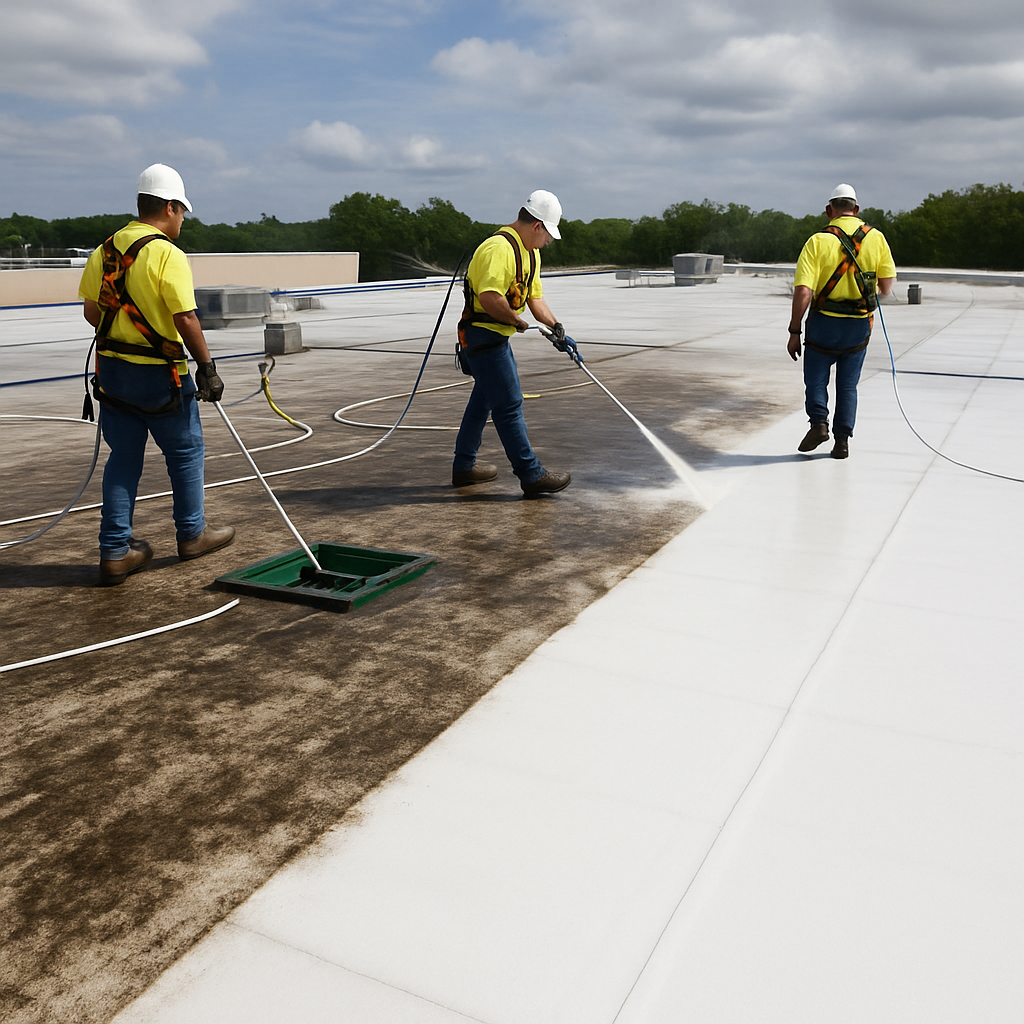
Contaminants matter because they change how the roof performs. Biological growth, oil and grease, loose ballast or granules, rust, and bird deposits form films or rough surfaces that trap moisture, block drains, and reduce surface energy for adhesives. Left in place, these materials accelerate membrane breakdown, create localized ponding, and turn a well‑applied coating into an adhesion failure within months.
Manufacturer requirements are not optional. Coating and membrane makers such as GAF and Carlisle SynTec specify cleanliness standards and acceptable cleaning methods. In practice, failing to meet those standards is the most common reason a warranty claim is denied — not the product itself.
- Reduced adhesion: Films and biofilms lower surface energy, so coatings do not wet the substrate and form weak bonds.
- Hidden damage: Debris masks seam failures, corroded flashings, and blisters that must be repaired before waterproofing.
- Drainage impact: Clogged gutters and scuppers convert a small defect into chronic ponding and stress the membrane.
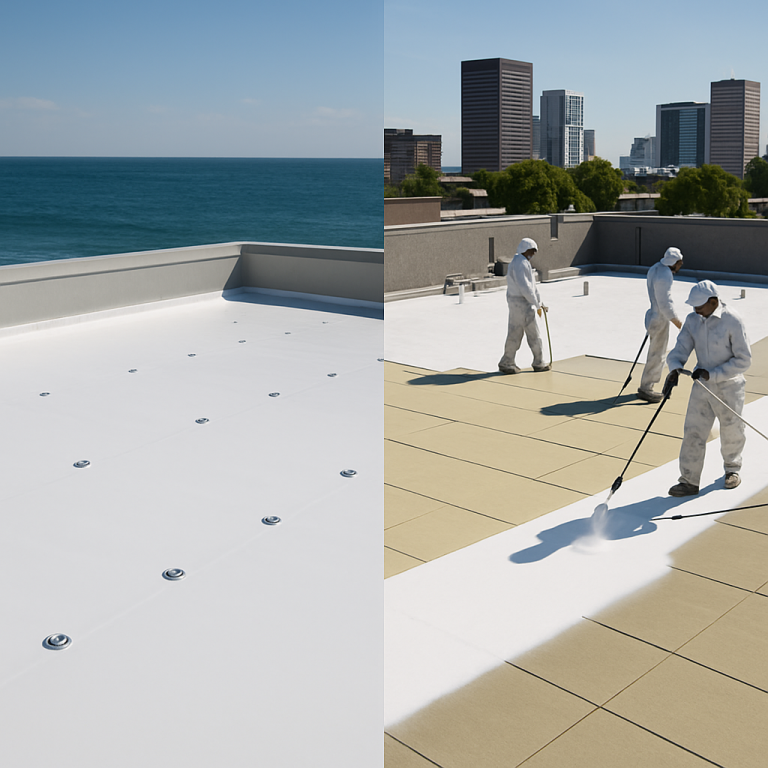
Practical tradeoff: Use soft wash roof cleaning for single ply and sensitive membranes to avoid substrate damage; reserve pressure washing for robust substrates like concrete where higher flow is acceptable. Soft wash costs slightly more per square foot but prevents the expensive mistake of stripping or puncturing membranes and potentially voiding warranties.
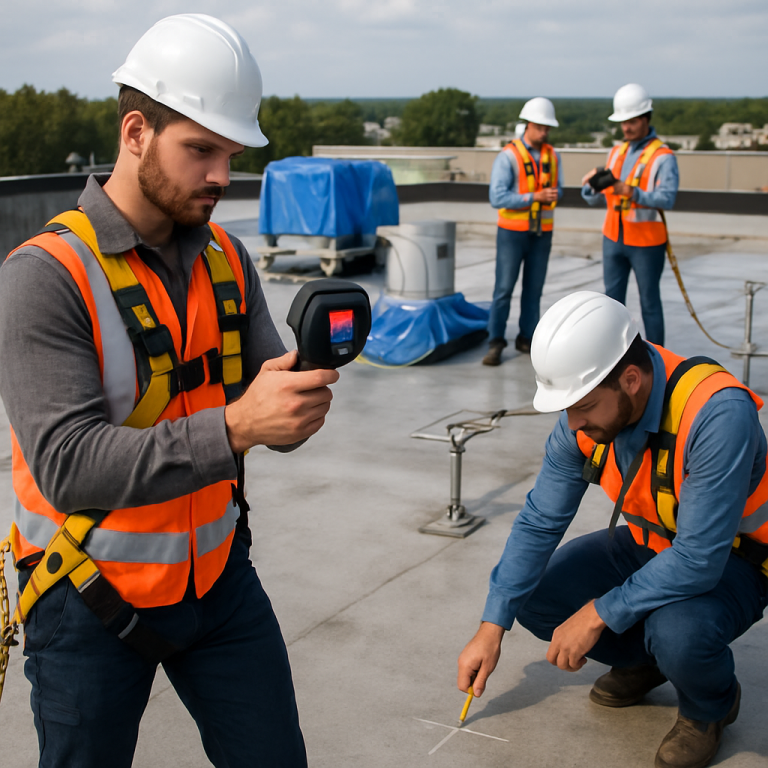
Concrete example: A 120,000 ft2 retail warehouse scheduled for a silicone coating had visible green staining but no documented repairs. The local roof cleaning crew performed a low pressure soft wash and documented dozens of seam splits and corroded metal flashings that the initial visual survey missed. Repairing those items before coating avoided an early failure that would have required full membrane replacement within three years.
Reality check: Not every roof needs the same cleaning intensity. Overcleaning with high pressure on a thermoplastic membrane is a real, avoidable failure mode; undercleaning before coating is a warranty killer. The right contractor knows membrane compatibility, documents the method, and ties cleaning deliverables to the coating manufacturer acceptance criteria.
Frequently Asked Questions
Direct answers for busy owners: Below are concise, practical responses facility teams actually need when they search for roof cleaning companies near me and are coordinating cleaning with waterproofing.
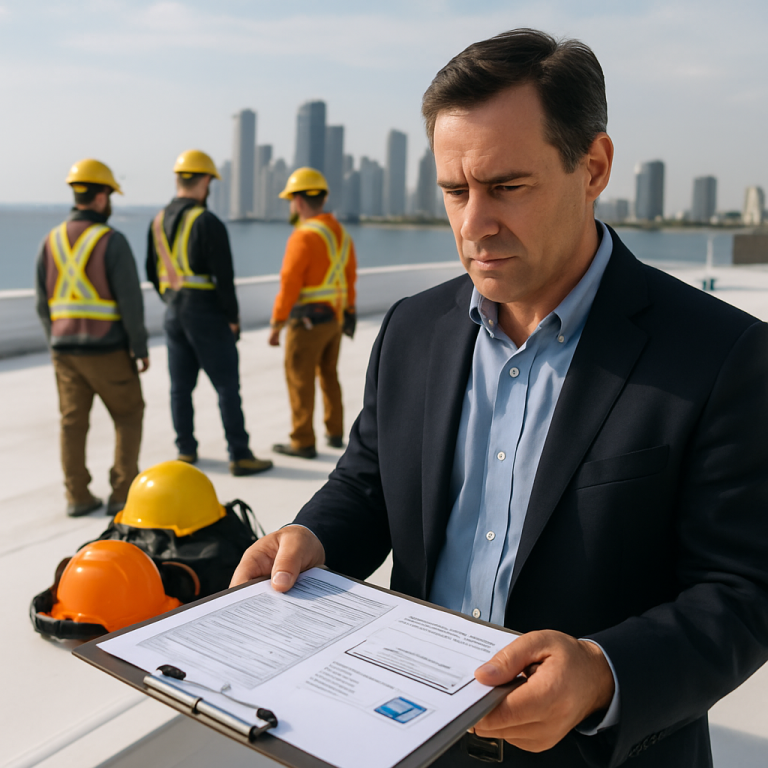
Q: Can a same-day clean be trusted for coating prep? Same-day service is possible for light surface stains or localized work, but it is a compromise. Rapid cleans often skip full substrate assessment, moisture checks, and containment setup. If you are preparing for a coating, plan for at least one full day between cleaning and coating to allow technicians to validate surface readiness and for any discovered repairs to be scheduled.
Q: Which cleaning method will manufacturers accept? Manufacturers accept different approaches depending on membrane chemistry. In practice, low-pressure chemical wash followed by controlled rinsing is acceptable for sensitive single-ply. High-flow washing is appropriate for concrete or BUR but often flagged on single-ply. Ask potential contractors to describe the cleaning chemistry, application pressures in psi, and how they confirm the surface meets the product supplier surface-energy or cleanliness metric.
Q: What environmental controls should I insist on? Require active containment around drains, on-site neutralization for chlorine-based biocides when needed, and a plan for captured runoff disposal. Local stormwater programs and the EPA NPDES guidance commonly drive permit or containment obligations — your contractor should handle those permits or document why they are unnecessary.
Concrete example: A property manager for a 48,000 ft2 suburban office roof scheduled a urethane coating. The cleaning vendor used a soft chemical wash and discovered oil-soaked HVAC drip lines. They isolated the oil source, removed contaminated insulation and replaced a small membrane patch before the coating. The coating adhered as specified and warranty paperwork listed the repair items, preventing a later adhesion dispute.
Tradeoff to accept: Faster and cheaper is not the same as adequate. Pushing for the lowest bid or immediate turnaround increases the chance of missed defects and costly rework. Spend more up front to avoid repeated mobilizations and to protect the coating warranty.
When will cleaning reveal necessary repairs? Expect cleaning to uncover concealed issues: corroded flashings, seam delamination, clogged internal drains, and membrane blisters. Budget contingency for 5 to 20 percent of the roof area to require minor repairs on medium-contamination commercial projects.
Next actions you can implement this week
Follow this short checklist to convert answers into action.
- Shortlist: Ask three local vendors for their roof cleaning work plan and a reference on a similar membrane type.
- Verify: Confirm the contractor's environmental procedure references EPA NPDES or your municipality rules and that they carry commercial roofing experience.
- Schedule: Allow a minimum verification window after cleaning—do not plan coating application the same day unless the supplier explicitly permits it.
- Budget: Add contingency for repairs discovered during cleaning and require the vendor to log discovered defects with photos and time-stamped notes.
Takeaway: use these practical checks to separate true professional roof washing services from general pressure-washing crews. The right local team protects your waterproofing investment; the wrong one creates warranty risk and unplanned costs.