
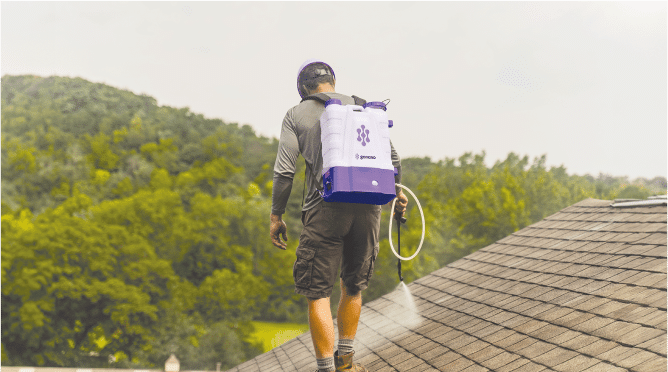
If you manage commercial or multifamily property, roofing mississippi requires decisions driven by local storms, humidity, and salt exposure. This practical guide explains how those climate pressures translate into specific failure modes, which waterproofing technologies actually hold up here, and which inspection and maintenance steps prevent expensive interior damage. You will also get the procurement and cost framework to choose between repairs, coatings, or full replacement, plus the test standards and contractor questions to include in proposals so projects meet ASCE wind requirements and avoid surprise costs.
Mississippi climate and regional risk profile
Key point: Mississippi roofing is driven by three overlapping hazards – heavy annual rainfall, persistent high humidity, and seasonal tropical storms – and those combined stresses shape which roof details fail first and how long systems last. Use the climate profile to set priorities for materials, maintenance frequency, and wind uplift design when specifying roofing mississippi projects.
Coastal versus interior conditions
Coastal effects: Gulfport, Biloxi, and Pascagoula face salt spray, higher sustained winds during storms, and accelerated corrosion on metal flashings and fasteners – this raises the bar for metal selection and fastener type. Interior effects: Jackson and Tupelo have slightly lower salt exposure but still high humidity and heat loading that speed membrane oxidation and biological growth. Always check local FEMA flood maps and ASCE 7 wind zones for site-specific constraints.
- Hurricane-force winds: seam shear, edge blow-off, and membrane uplift – securement and tested wind uplift ratings matter more than membrane brand alone
- Heavy rain and ponding: seam failures, roof deck softening, and wet insulation – coatings do not cure structural deck issues
- High humidity and heat: accelerated UV degradation and bacterial growth on organic roof substrates that can undermine adhesives
- Salt air and corrosion: faster deterioration of metal flashings, clips, and fasteners, pushing preference toward stainless or coated fasteners and non-corrosive termination details
Practical tradeoff: coatings and overlays are cost effective when the substrate is dry and details are intact, but they are a poor choice over wet insulation or corroded metal. That tradeoff is the frequent source of surprises in roofing mississippi projects – owners pick low upfront cost coatings and then discover a full tear-off is required to remove wet insulation and corroded flashings.
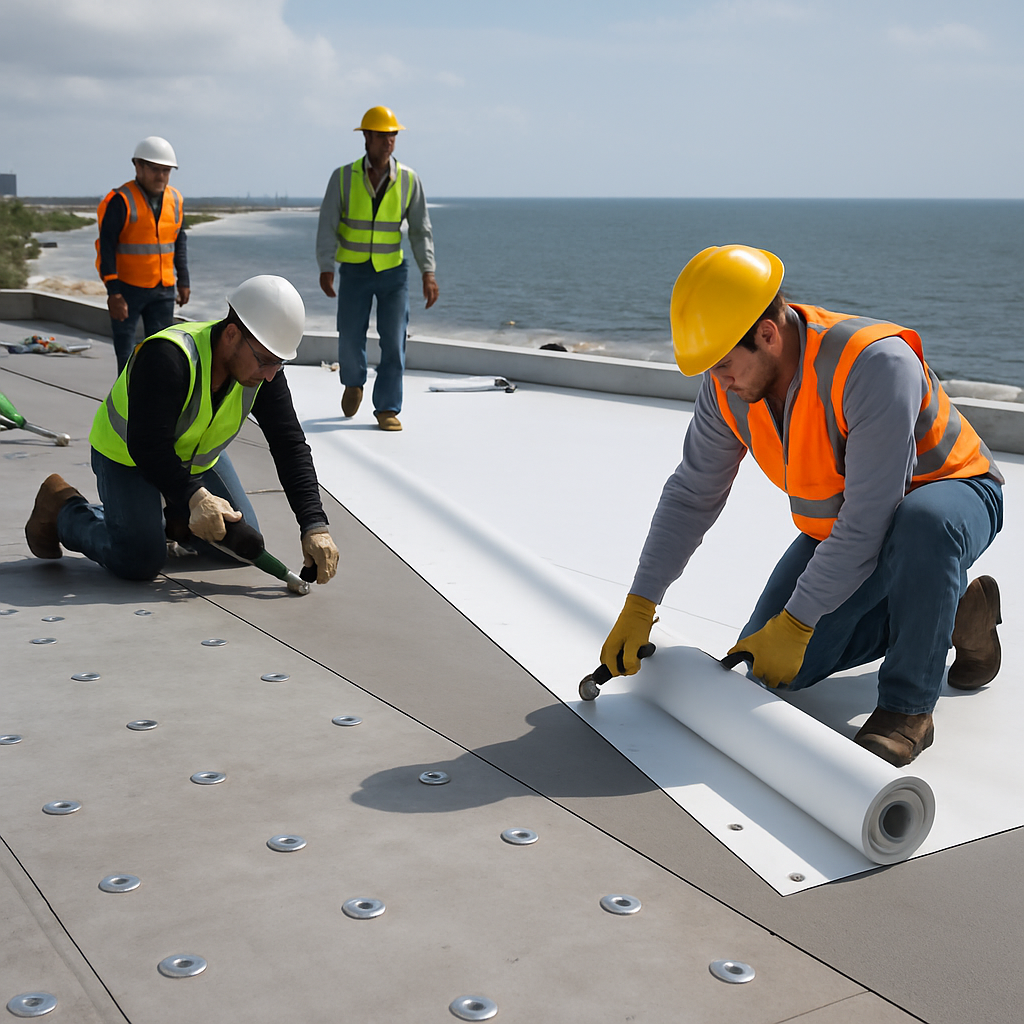
Concrete Example: A Gulfport beachfront hotel had recurring flashing leaks after minor storms. The correct fix combined a high-performance PVC membrane with enhanced edge securement, stainless fasteners at parapets, and a sacrificial silicone coating on the parapet caps to slow corrosion – the mix addressed wind uplift, salt exposure, and UV at once and avoided repeated emergency roof repairs.
Judgment: In Mississippi, material selection without attention to details is a false economy. Seam workmanship, edge attachment, drainage, and corrosion control determine real-life performance, not marketing claims. Require FM or UL wind uplift approvals and look for local project references that match coastal or inland conditions before engaging roofing contractors Mississippi.
Frequently Asked Questions
Short, practical answers building owners actually use
Direct answer first: schedule routine checks and define storm triggers in writing. Quarterly visual walks, a full maintenance visit twice a year, and an immediate inspection after any wind event or visible interior leak are the operational minimum for commercial roofing Mississippi projects.
- How often should I inspect a commercial roof: Visual quarterly, maintenance twice yearly, and after storms; add a detailed condition survey every 3 to 5 years and always run moisture scanning before approving a coating.
- Can you coat TPO or PVC in Mississippi: Yes, but only after adhesion tests and moisture scans prove the membrane and insulation are dry and compatible with the coating manufacturer. Do not accept broad compatibility claims without a test patch and written manufacturer approval.
- When is ponding water a replacement issue: Ponding that stems from deck deflection, trapped wet insulation, or membrane separation usually requires tear off and replacement rather than a coating. Short term ponding corrected by improved drainage can be fixed without replacement.
- What wind uplift evidence should I require: Demand FM or UL uplift approvals and written ASCE 7 compliance for the building height and location. Proposals without these items are a red flag.
- How do coatings affect energy bills: High SRI silicone coatings lower roof surface temperatures and can reduce cooling load, but quantify savings with whole-roof R value and mechanical system inputs rather than relying on vendor claims.
Practical tradeoff: coatings buy time and cost less up front, but they transfer risk when substrate problems exist. If a moisture scan shows wet insulation, coating is a temporary fix at best and often voids manufacturer warranties if applied over compromised materials.
Concrete Example: After a thunderstorm in Hattiesburg a medical office reported ceiling stains. A moisture scan during tear off revealed saturated insulation over 30 percent of the deck and corroded parapet fasteners. The correct outcome was targeted tear off, tapered insulation to fix drainage, and a new TPO membrane with certified edge securement, not a fast coating application.
Judgment you will not get from sales brochures: the single biggest failure in Mississippi projects is skipping tests and relying on visual checks alone. A vendor who resists providing adhesion test results, moisture scan reports, and local references in similar climate zones should not be given a contract.
Next actions you can take now: schedule a post-storm inspection with a certified local roofer, insist on a moisture scan before accepting any coating proposal, and obtain three written proposals that list FM or UL wind uplift approvals and explicit warranty conditions. Use contact to arrange an inspection or review proposals, and check local risk maps at FEMA Flood Map Service Center when assessing flood exposure.