
Roof Rejuvenation: Give Your Aging Roof a Second Life
Article Overview
Article Type: How-To Guide
Primary Goal: Teach property owners, facility managers, and decision makers how to evaluate whether roof rejuvenation is appropriate, understand the materials and process, estimate costs and ROI, and select a qualified contractor to extend roof service life without unnecessary replacement
Who is the reader: Homeowners, commercial property owners, facility managers, and building maintenance directors who manage low-slope and pitched roofs and are weighing repair, coating, or replacement decisions for aging roofs; many are in early to mid decision stage seeking cost effective alternatives to full replacement
What they know: Readers know their roof is aging and may have leaks or reduced thermal performance. They likely know basic roof types such as EPDM, TPO, built up roofing, and asphalt shingles but do not know technical eligibility criteria, coating types, lifecycle implications, or exact costs for rejuvenation
What are their challenges: They face budget constraints, need clear cost versus benefit comparisons, want to avoid premature replacement, must comply with warranties and code, and want to select a qualified contractor who will deliver documented results
Why the brand is credible on the topic:
Tone of voice: Authoritative and pragmatic, mixing technical specificity with plain language; provide clear checklists, actionable step by step guidance, and vendor neutral comparisons while highlighting Roof Waterproofing Company capabilities in a factual way
Sources:
- https://www.nrca.net/ (National Roofing Contractors Association technical resources)
- https://coolroofs.org/ (Cool Roof Rating Council product and performance data)
- https://www.astm.org/Standards/D6083.htm (ASTM D6083 standard for liquid applied acrylic roof coatings)
- https://www.gaf.com/en-us/roofing-products/flat-roofing/roof-coatings (GAF technical resources and case studies for roof coatings)
- https://www.epa.gov/green-infrastructure/green-roofs (EPA resources on energy and stormwater impacts of roofing)
Key findings:
- Roof coating systems can extend roof service life when the substrate is sound; manufacturer technical bulletins and NRCA guidance support life extension as an alternative to replacement for many low-slope roofs
- Different coating chemistries provide tradeoffs: silicone offers superior ponding water resistance, acrylics are cost effective and reflect solar heat well, and polyurethane provides toughness for high-traffic areas; manufacturers set film thickness and substrate prep requirements that determine performance
- Pre-coating condition assessment is critical; membranes with active structural degradation, extensive wet insulation, or severely deteriorated flashing are poor candidates and often require partial or full replacement
- Reflective coatings can reduce cooling loads and mitigate heat island effects; CRRC listings and manufacturer data quantify energy benefits dependent on climate and roof assembly
- Certified installers and manufacturer warranties materially affect lifecycle outcomes; documented adhesion testing, test patches, and adherence to ASTM standards reduce risk
Key points:
- Provide a clear, actionable roof assessment checklist that determines eligibility for rejuvenation versus replacement
- Explain coating chemistries, typical application processes, and manufacturer compliance requirements using real product examples such as GAF HydroStop, Firestone UltraWhite Silicone, Henry 287 Solar-Flex, Liquid Rubber, Carlisle coatings
- Present a realistic cost and ROI framework comparing rejuvenation to replacement including typical warranty outcomes and service life expectations
- Show a contractor selection checklist with exact questions, certification types, and proof points that readers can use to vet Roof Waterproofing Company and other contractors
Anything to avoid:
- Avoid vague generalities about coatings; do not present any coating as universally best
- Avoid fabricated performance metrics or definitive promises about exact lifespan without condition qualifiers
- Avoid promotional or sales language; do not pressure the reader to contact the company without providing objective decision criteria
- Avoid beginner-level roof definitions; assume reader knows basic roof types but needs practical decision guidance
External links:
- https://www.nrca.net/
- https://coolroofs.org/
- https://www.astm.org/Standards/D6083.htm
- https://www.gaf.com/en-us/roofing-products/flat-roofing/roof-coatings
- https://www.firestonebpco.com/products/silicone-roof-coatings
Internal links:
Content Brief
Context and writing guidance for the article: Frame roof rejuvenation as a technical, cost effective middle path between minor repairs and full replacement. Emphasize assessment first, then materials and process, then cost and contractor selection. Use an evidence driven approach that cites NRCA, ASTM standards, and manufacturer technical guidance. Maintain a practical tone: include checklists, short diagnostic quizzes, product examples (GAF HydroStop, Firestone UltraWhite Silicone, Henry 287 Solar-Flex, Liquid Rubber), and a clear call to action to run a documented assessment. Avoid hyperbole and avoid promising fixed lifespans. Include visuals suggestions such as a decision flow diagram, inspection checklist table, and before/after photos from manufacturer case studies. Reinforce Roof Waterproofing Company expertise by describing how the company executes assessments, test patches, and manufacturer certified installations without making unverified claims about specific projects
1. How to Decide if Roof Rejuvenation Is Appropriate
- List the key on-roof inspection items: membrane condition, adhesion, blistering, seam integrity, ponding water, flashing condition, and evidence of wet insulation
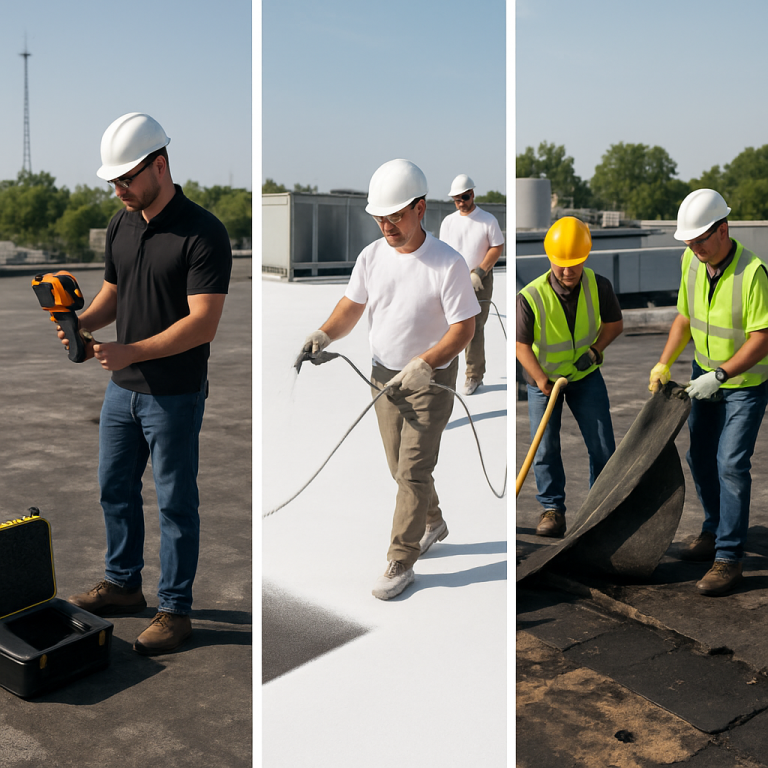
- Describe diagnostic tools and tests: moisture survey (infrared or nuclear), core sampling, adhesion pull tests, and test patches; specify when each test is necessary
- Provide a quick eligibility checklist with pass/fail criteria and thresholds that indicate coating candidate versus need for replacement
- Include an example scenario: a 12 year old modified bitumen roof with no wet insulation, minor seam splitting, and good overall substrate suitability qualifies for rejuvenation testing
2. Coating Types and When to Use Each
- Explain the major coating chemistries: silicone, acrylic, polyurethane, and elastomeric asphalt coatings, and list strengths and limitations for each chemistry
- Reference real products and manufacturers for each class: Firestone UltraWhite Silicone, GAF HydroStop Silicone, Henry 287 Solar-Flex (acrylic), Liquid Rubber silicone systems, Carlisle coatings (polyurethane options)
- Highlight special considerations: ponding water resistance favors silicone, high reflectivity favors certain acrylics listed in CRRC, high abrasion resistance favors polyurethane
- Note manufacturer warranty programs and the requirement to follow specified mil thickness and substrate prep per ASTM/ manufacturer technical data sheet
3. Step-by-Step Roof Rejuvenation Process
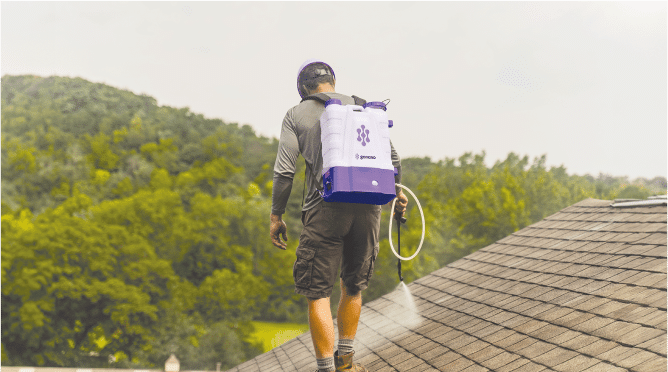
- Detail surface preparation: safe power washing, biocide treatment for biological growth, removal of loose material, and substrate repair protocols
- Explain repairs prior to coating: seam repairs, flashing restoration, replacement of wet insulation, leveling low spots, and reinforcing weak areas with polyester fabric or reinforced membrane
- Describe priming, adhesion testing, and performing a test patch; instruct to document adhesion test results and photo record test patch performance for 30 days
- Provide application guidance: ambient conditions, typical wet/dry film thickness ranges to verify with manufacturer specifications, back rolling versus spray techniques, multilayer strategies and fleece reinforcement where applicable
4. Cost Comparison and Return on Investment
- Present a cost framework: typical price ranges for cleaning and minor repairs, coating materials and application, versus full replacement costs for common roof types; explain factors that shift cost (extent of repairs, roof complexity, local labor rates)
- Explain warranty differences and what they cover: material only, system warranty, and contractor workmanship warranty including real manufacturer examples and common warranty durations
- Show ROI considerations: expected service life extension ranges based on condition and coating type, energy savings from reflective coatings citing CRRC and manufacturer data, and payback scenarios
- Include a decision flow: when coating is the most cost effective choice, when partial replacement plus coating is best, and when full replacement is unavoidable
5. Concrete Examples and Manufacturer Case Studies
- Summarize representative case studies from GAF and Firestone that demonstrate life extension on low-slope commercial roofs; include measurable outcomes reported by those manufacturers when available
- Describe typical project approach used by Roof Waterproofing Company as an example of best practice: initial diagnostic survey, test patches, manufacturer approved materials, documented adhesion testing, and post-installation inspection
- Provide two anonymized example scenarios: one small commercial flat roof rejuvenated with silicone for ponding water resistance, one warehouse using acrylic for reflectivity and energy savings; include before and after condition and estimated lifecycle extension
6. Maintenance Plan After Rejuvenation
- Offer a maintenance checklist with recommended frequencies: annual inspections, gutter and drain clearing, spot repairs after storms, and recoat triggers based on wear and mil thickness loss
- Explain performance monitoring: how to inspect coatings for chalking, ponding-caused degradation, seam movement, and adhesion loss; suggest when to conduct infrared surveys
- Advise on documentation and warranty compliance: keep installation records, adhesion test results, and service logs required by manufacturers to preserve warranty
7. How to Choose a Contractor and Questions to Ask
- Provide a vetting checklist: ask for manufacturer certifications (GAF, Firestone, Henry), proof of insurance, mechanics lien practices, written scope of work, and substrate testing protocols
- List exact questions to ask potential contractors: request details on adhesion testing method, typical film thickness they will apply, number of coats, test patch protocol, and warranty terms and exclusions
- Recommend verification steps: check Better Business Bureau, request three recent project references, and require a clear materials list with manufacturer technical data sheets
- Include a paragraph describing why engaging Roof Waterproofing Company fits the checklist: certified installers, documented diagnostics, and integrated repair plus coating approach available at roofwaterproofing.us
Frequently Asked Questions
Can any roof be rejuvenated with a coating
No. Coatings work only when the substrate and membrane are sound; roofs with extensive wet insulation, significant structural damage, or severe membrane deterioration typically require partial or full replacement
How long does a roof coating typically last
Lifespan varies by chemistry, substrate condition, and maintenance; coatings can add multiple years to a roof life when applied correctly, with many manufacturers offering 10 to 20 year material warranties depending on system and upkeep
Will a coating stop all leaks immediately
Coatings can seal many non structural defects but active leaks caused by compromised deck or saturated insulation must be repaired first; a comprehensive repair program plus coating yields the best leak control
Do reflective coatings reduce cooling costs
Yes. Reflective coatings listed with the Cool Roof Rating Council can lower roof surface temperatures and reduce cooling loads, with savings dependent on climate, building systems, and roof assembly
What warranty should I expect from a coating job
Expect manufacturer material warranties and separate contractor workmanship warranties; confirm the warranty scope, exclusions, maintenance requirements, and any required periodic inspections to keep the warranty valid
How should I prepare my building for a rejuvenation project
Provide contractor access, clear rooftop equipment and obstructions where feasible, notify occupants about noise and traffic, and ensure documentation of roof history including previous repairs and warranties
When is a test patch necessary
A test patch is strongly recommended whenever substrate compatibility, adhesion, or performance is uncertain; it demonstrates real world adhesion and curing before committing to a full system