
Common Roof Waterproofing Problems and Solutions
When it comes to safeguarding your home or business, roof waterproofing is a crucial yet often overlooked aspect of maintenance. Unfortunately, issues like leaks from poor installation, membrane failures, and clogged drainage systems can lead to costly damage if not addressed promptly. In this post, we’ll explore the most common roof waterproofing problems and provide practical solutions to help you find reliable roof waterproofing contractors near you who can ensure your space stays dry and protected. Whether you’re seeking residential or commercial roof waterproofing services, we’ve got you covered!
1. Leaks Due to Poor Installation
Leaks resulting from poor installation are among the most common and frustrating issues homeowners face. These leaks typically arise when roofing materials are not properly sealed or installed according to manufacturer guidelines. A small oversight during installation can lead to significant water infiltration, causing damage to both the roof structure and the interior of the building.
Identifying signs of leaks
Recognizing the early signs of leaks is crucial for timely intervention. Look for water stains on ceilings or walls, especially in corners or near chimneys and vents. You might also notice mold growth or a musty smell in your attic or upper floors, which indicates moisture accumulation. These signs should prompt immediate action to prevent further damage.
Importance of hiring certified contractors
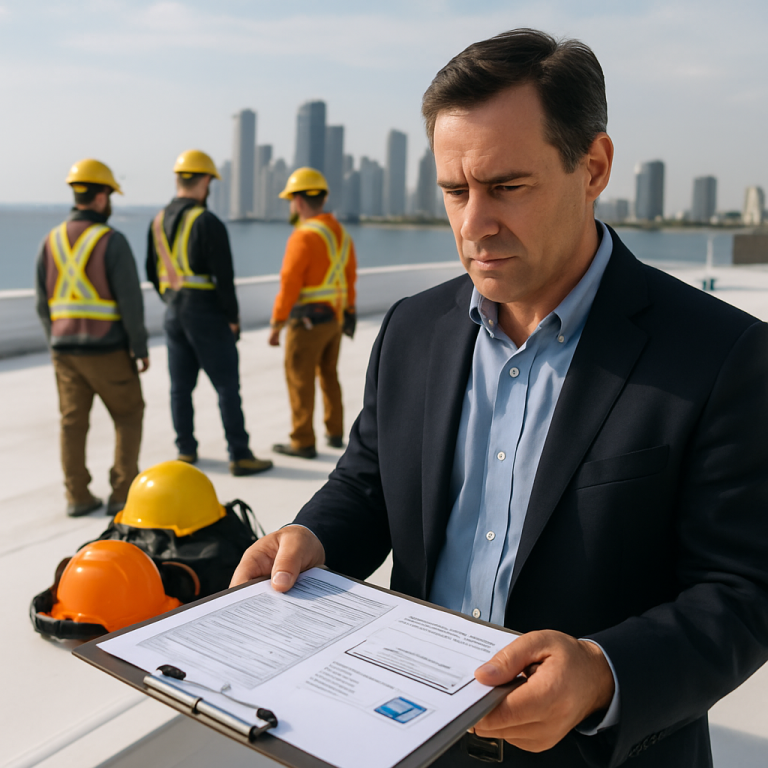
Hiring certified roof waterproofing contractors is essential to mitigate installation-related leaks. Certified professionals have the necessary training and experience to apply advanced waterproofing techniques effectively. Opting for local roof waterproofing companies with a solid track record can save you from costly repairs down the line. Always check for licensing and insurance before proceeding with any contractor.
Recommended corrective measures
If you suspect that your roof has been improperly installed, it’s critical to act quickly. Start by consulting with experienced roofing and sealing contractors who can assess the situation accurately. They may recommend a complete inspection followed by repairs using quality roofing sealant application services. In some cases, it may be necessary to re-install specific sections of your roof to ensure a proper seal.
Proper installation is key; one mistake can lead to extensive damage.
Do-it-yourself repairs often lead to more harm than good when it comes to roof waterproofing issues. Many homeowners underestimate the complexity involved in effective waterproofing practices, which can exacerbate existing problems rather than resolving them.
2. Membrane Failures
Membrane failures are a leading cause of roof waterproofing issues, particularly in flat and low-sloped roofs. These failures can stem from various factors, including poor installation, material degradation, and environmental stressors. When a membrane fails, it compromises the entire waterproofing system, leading to leaks and potential structural damage.
Common causes of membrane deterioration
One significant cause of membrane deterioration is UV exposure. Over time, ultraviolet rays can break down the chemical structure of roofing membranes, leading to brittleness and cracking. Additionally, temperature fluctuations can cause expansion and contraction that stress the membrane material. Biological growth such as mold or algae can also contribute to weakening membranes, especially in humid climates.
Signs indicating membrane failure
Identifying signs of membrane failure early can prevent costly repairs later on. Look for obvious indicators such as blisters or bubbles on the surface of the membrane, which suggest moisture trapped underneath. Other signs include visible cracks or tears and water stains on ceilings or walls inside your building. If you notice any of these symptoms, it’s essential to consult with local roof waterproofing companies promptly.
Solutions to replace or repair membranes
When faced with a failing membrane, options vary based on the extent of the damage. Minor issues like small tears or blisters can often be repaired using professional roof sealant contractors who apply appropriate patching materials. For more extensive damage or aging membranes, complete replacement may be necessary. Engaging experienced roofing and sealing contractors ensures that replacements are done correctly and that new materials meet current standards for durability.
Regular inspections by certified roofing contractors can help identify potential membrane issues before they escalate into major problems.
Affordable roof waterproofing solutions might seem appealing; however, cutting corners on material quality often leads to faster deterioration and greater long-term costs.
3. Clogged Drainage Systems
Clogged drainage systems are a frequent cause of roof waterproofing failures, often leading to water pooling and subsequent leaks. When gutters and downspouts become obstructed by debris such as leaves, dirt, or even small animals, they cannot effectively channel water away from the roof. This can result in significant water damage, particularly during heavy rainfall.
Impact of clogged gutters on waterproofing
When gutters are clogged, water accumulates on the roof surface instead of draining off. This stagnant water can penetrate through seams and joints in the roofing material, leading to leaks inside the building. In commercial settings, this can disrupt operations and lead to costly repairs. For residential properties, it might mean dealing with mold growth or structural damage.
Methods for maintaining drainage systems
Regular maintenance is essential for ensuring that drainage systems function correctly. Homeowners should schedule routine inspections at least twice a year—once in the spring and once in the fall—to clear out any debris. Using a garden hose to flush out downspouts can also help dislodge any blockages that might not be visible. Additionally, installing gutter guards can minimize debris accumulation.
- Inspect and clean gutters biannually.
- Use gutter guards for long-term protection.
- Flush downspouts with water to ensure proper flow.
Professional cleaning services available
For those who prefer a hands-off approach or have roofs that are difficult to access, hiring professional cleaning services is advisable. Local roof waterproofing companies often provide comprehensive maintenance packages that include gutter cleaning as part of their offerings. This not only ensures your drainage systems are clear but also allows for an overall inspection of your roofing system by trained professionals.
Ignoring clogged drainage systems can lead to extensive repairs down the line.
Many homeowners underestimate the importance of their drainage systems, says John, an experienced roofing contractor. A little preventive maintenance goes a long way in avoiding major issues. Investing time in maintaining gutters not only protects your roof but also enhances its lifespan significantly.
4. Weather-Related Damage
Extreme weather can wreak havoc on roofs, leading to significant waterproofing issues. Heavy rain, snow, hail, and high winds can all lead to damage that compromises a roof’s integrity. The impact of these conditions is particularly pronounced on older roofs or those with pre-existing vulnerabilities.
Effects of extreme weather on roofs
Heavy rainfall can result in water pooling on flat roofs, while strong winds may lift shingles or membranes, creating openings for leaks. Snow accumulation adds weight and can lead to structural stress, while hail can puncture roofing materials. For example, a business in an area prone to hailstorms found that their flat roof sustained multiple leaks after a severe storm. The damage was exacerbated by the fact that they had not performed regular maintenance checks.
Preventative measures against weather damage
To mitigate the effects of extreme weather, proactive measures are essential. Regular inspections by local roofing maintenance and repair experts can identify potential weak points before they become problematic. Installing high-quality waterproofing solutions such as reinforced membranes or advanced sealants can enhance the roof’s resilience against harsh conditions.
- Ensure proper drainage systems are in place to prevent water accumulation.
- Invest in durable materials designed for your climate zone.
- Schedule biannual inspections with certified roofing contractors to assess roof health.
When to consult roof waterproofing contractors near me
If you notice signs of wear or damage after severe weather events—such as missing shingles or visible leaks—it’s time to consult with waterproofing contractors nearby. They can provide assessments and recommend comprehensive roof protection services tailored to your specific needs.
Ignoring minor issues after bad weather can lead to major repairs down the line.
5. Inadequate Maintenance Practices
Neglecting regular maintenance is a primary contributor to roof waterproofing failures. Many property owners underestimate the impact of routine inspections and upkeep, often leading to problems that could have been easily prevented. Maintenance is not merely a recommendation; it’s a necessity for the longevity and effectiveness of your roof’s waterproofing system.
Importance of regular inspections
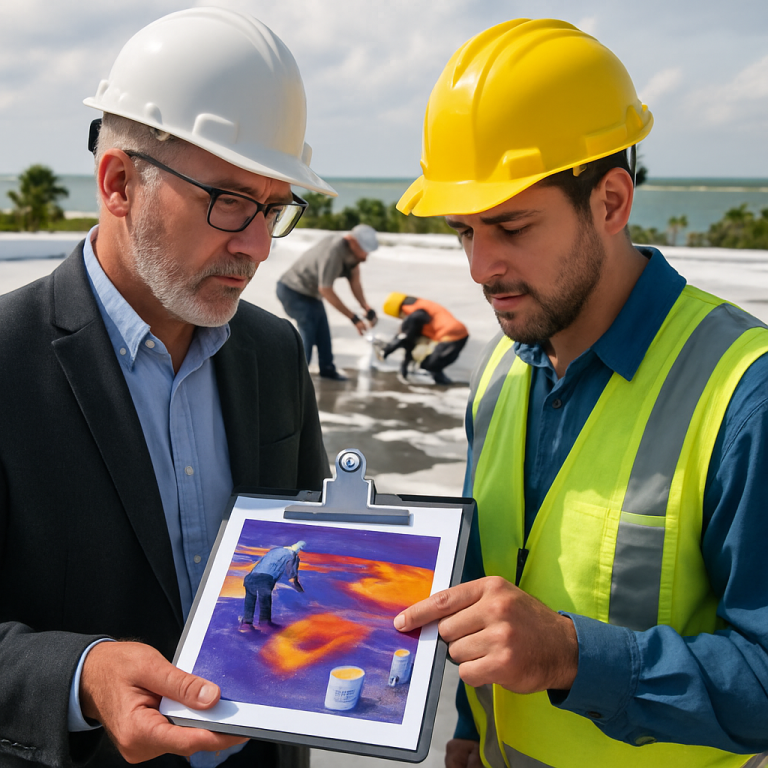
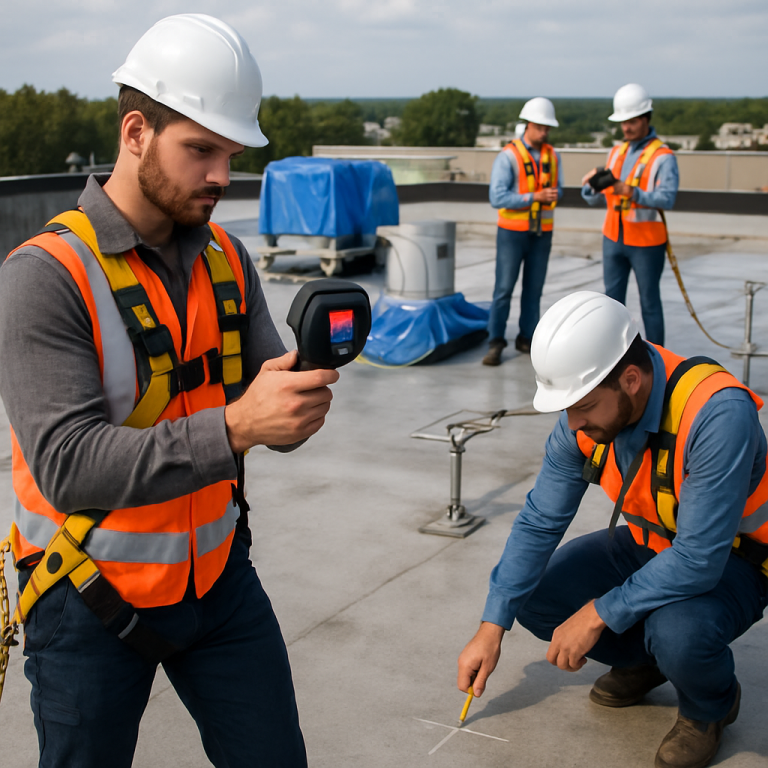
Regular inspections by certified roofing professionals help identify potential issues before they escalate into costly repairs. For instance, a small crack in a waterproof membrane can lead to significant water intrusion if left unaddressed. By scheduling biannual inspections, homeowners can ensure that their roofs are in optimal condition and that any minor issues are caught early.
Checklist for roof maintenance
Creating a checklist for roof maintenance can streamline the process and ensure no critical tasks are overlooked. Key items include checking for visible damage, cleaning gutters, inspecting flashings around chimneys and vents, and looking for signs of mold or water stains inside the building. This proactive approach minimizes surprises and keeps your roofing system functioning effectively.
- Inspect roof surface for cracks or blisters.
- Clear gutters and downspouts of debris.
- Check flashings for corrosion or damage.
- Look for signs of moisture inside the building.
Regular maintenance can extend the lifespan of your roofing system significantly.
Services provided by Roof Waterproofing Company
(Roof waterproofing companies offer various services that encompass both preventive measures and corrective actions.) Regular maintenance contracts often include inspections, cleaning services, and emergency repairs, which can be invaluable during severe weather events. For example, when a heavy storm is forecasted, having an established relationship with local waterproofing contractors allows you to secure quick assessments and repairs if needed.
Many property owners mistakenly believe that if their roofs appear fine visually, there are no underlying issues. This assumption often leads to significant problems down the line as unseen damage continues to worsen without intervention. Engaging reliable water damage prevention experts ensures you have a comprehensive understanding of your roof’s health.
6. Aging Roof Materials
Aging roof materials are a significant concern that can compromise the effectiveness of your roof’s waterproofing system. Over time, exposure to the elements degrades materials, resulting in reduced performance and increased vulnerability to leaks. Homeowners often overlook this gradual wear, assuming that as long as their roof looks intact, it is functioning properly.
Signs that materials are aging
Common indicators of aging include visible cracks, curling shingles, and discoloration. For instance, asphalt shingles may lose granules over time, leading to bald spots that expose the underlying material to moisture. Additionally, if you notice frequent leaks or water stains on interior ceilings, it could signal that your roofing material is past its prime.
Options for replacement or restoration
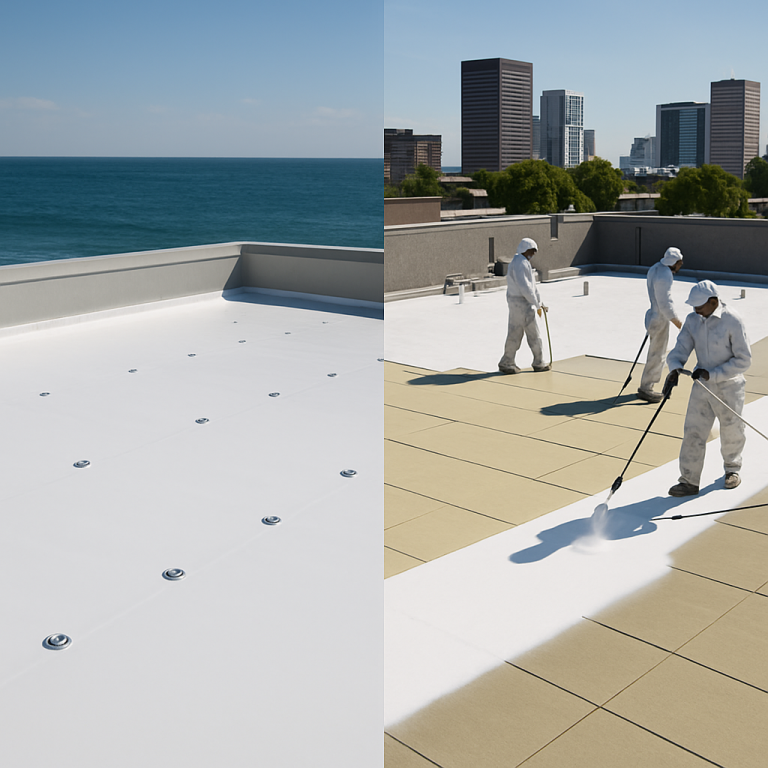
When addressing aging materials, homeowners have a few options. Restoration might involve applying a high-quality sealant or coating designed to extend the life of existing materials. However, if the damage is extensive—like widespread cracking or rotting—replacement may be necessary. Engaging with local roof waterproofing companies can provide tailored solutions based on the specific conditions of your roof.
- Sealants can extend the life of aging roofs.
- Complete replacement ensures long-term reliability.
- Regular assessments are crucial for timely interventions.
Benefits of using modern materials
Modern roofing materials often come with enhanced durability and longevity compared to older options. For instance, synthetic underlayments and advanced sealants offer superior waterproofing capabilities and resistance to UV damage. Investing in these materials can significantly reduce maintenance costs over time and enhance overall roof performance.
Upgrading to modern roofing solutions can prevent costly repairs down the line.
Many homeowners mistakenly believe that simply patching problems will suffice for aging roofs. However, without addressing underlying material degradation through proper upgrades or replacements, these temporary fixes often lead to recurring issues and escalating repair costs.
7. Poorly Designed Roof Structures
Poorly designed roof structures are a significant contributor to water pooling, which can lead to leaks and extensive water damage. Design flaws, such as inadequate slopes or insufficient drainage, prevent water from flowing off the roof effectively. This stagnation can create a breeding ground for mold and accelerate deterioration of roofing materials.
How design flaws contribute to water pooling
Many roofs lack the proper pitch necessary for effective drainage, particularly flat roofs that are not designed with adequate slope. For instance, a commercial building with a flat roof may experience severe water accumulation after heavy rains if the underlying structure does not allow for proper runoff. This situation leads to significant maintenance issues and can result in costly repairs if not addressed promptly.
Consultation with structural engineers
Engaging with structural engineers is crucial when assessing design-related waterproofing issues. These experts can evaluate your roof’s design and recommend necessary modifications to improve drainage. They often employ advanced modeling techniques to predict how changes will impact water flow and overall roof performance.
Remedies through professional redesign
Professional redesigns often involve reconfiguring drainage systems or adding features like internal drains or scuppers to enhance water flow off the roof. For example, a nearby commercial property faced chronic leaking due to inadequate drainage design; after consulting with certified roofing contractors, they implemented an innovative drainage solution that significantly reduced standing water on their flat roof.
Proper design is critical; even minor adjustments can drastically improve waterproofing effectiveness.
Affordable roofing solutions that skimp on design considerations often lead to higher long-term costs due to ongoing maintenance and repairs. Property owners should prioritize engaging reliable local roofing and waterproofing services that understand the intricacies of effective roof design.
FAQs
Understanding common questions about roof waterproofing can help property owners make informed decisions. Many people overlook the signs of waterproofing problems until it’s too late. It’s crucial to recognize these issues early to prevent costly repairs.
What are the most common signs of a waterproofing problem?
Common signs include water stains on ceilings or walls, mold growth, and musty odors in attics or upper floors. These indicators often signal moisture infiltration, which can lead to significant structural damage if not addressed promptly.
How can I choose the right roof waterproofing contractor?
Selecting the right contractor involves researching local roof waterproofing companies, checking reviews, and confirming their certifications and insurance. Look for contractors who specialize in your specific type of roofing—whether residential or commercial—and who have experience with advanced waterproofing techniques.
What should I do if I notice a leak in my roof?
If you find a leak, act quickly. Document the damage with photos, then contact certified roofing contractors nearby for an assessment. Quick intervention can prevent further damage and save on repair costs.
How often should I inspect my roof for waterproofing issues?
‘Inspect your roof at least twice a year—once in spring and once in fall. Additionally, after severe weather events, conduct thorough inspections to catch any potential issues early. Regular inspections help maintain your roof’s integrity and prevent leaks.’
What materials are commonly used in roof waterproofing?
Common materials include modified bitumen membranes, liquid-applied coatings, and thermoplastic polyolefin (TPO) membranes. Each material has its pros and cons depending on factors like climate and roof design.
Regular maintenance is crucial; proactive measures can save thousands in repairs.