
Commercial property roof repairs matter to the bottom line: a leaking or neglected roof can cut asset value, increase operating costs, and drive tenant churn. This post breaks down how repair, coating, or replacement choices affect appraised value, insurance, energy use and tenant satisfaction, and when targeted fixes outperform full reroofing. You will get a practical decision framework, sample cost ranges and payback math, plus a contractor vetting checklist and a ready maintenance plan to act on.
How roof condition is accounted for in commercial property valuation
Direct effect on value: Appraisers treat roof problems as a form of physical depreciation and deferred maintenance, not a separate mysterious penalty. If a roof needs work that affects serviceability or marketability, the appraiser reduces value by the cost to cure or by applying a market-based depreciation factor tied to remaining service life.
How appraisers quantify roof issues
Methodology matters: In practice you will see three routes used in appraisals: cost-to-cure (line-item deduction), adjustment to functional obsolescence (if the roof reduces usable life or performance), or increased capex/expense allowances in the income approach. Appraisers rely on reports such as a roof condition survey, repair estimates, and manufacturer warranty status to choose which route is defensible.
Marketability and cap rate impact: Visible or documented roof defects shift buyer perception of risk. That raises the effective cap rate an investor will accept or forces a larger reserve for capital expenditures. The practical consequence is not only a lower immediate sale price but also tighter financing terms and scrutiny from underwriters.
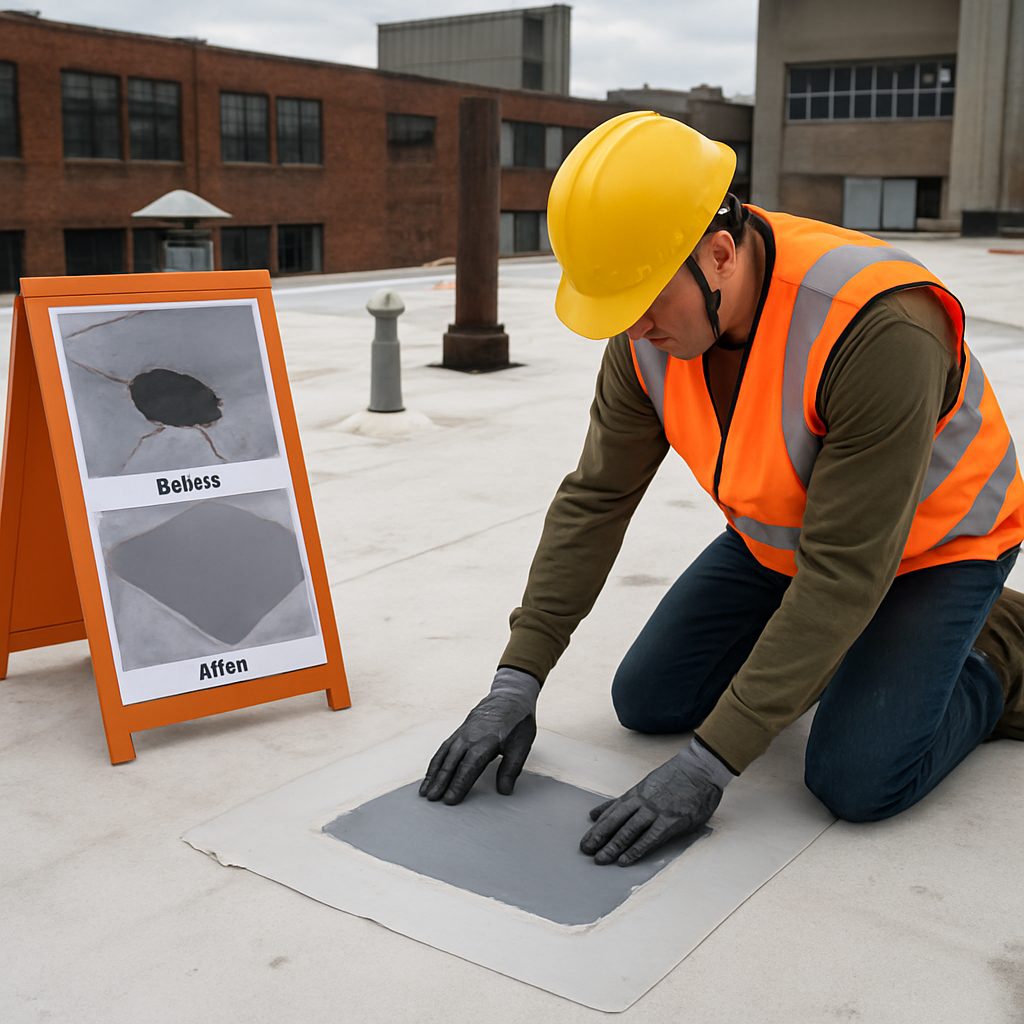
Trade-off to understand: A cheap, undocumented repair reduces the leak but does little for valuation. Conversely, a properly scoped repair or a warranty-backed coating documented with before/after photos and a manufacturer endorsement often removes the deferred maintenance deduction entirely. Documentation is the lever that converts maintenance expense into preserved asset value.
Concrete example: An owner gets an income-capitalization appraisal where the building value is estimated at $2,000,000 before roof issues. A roof condition report and contractor estimate show $25,000 to correct membrane failures over 10% of the roof. The appraiser deducts a $25,000 cost-to-cure, dropping indicated value to $1,975,000. If the owner instead completes the work, secures a 5-year warranty and provides invoices and photos, the deduction is removed and the full $2,000,000 is supported.
Common misjudgment: Owners assume any cosmetic patch eliminates appraisal risk. It does not. Appraisers care about residual life, recurring failure patterns, and warranty transferability. Temporary fixes that leave substrate issues or ponding unaddressed still count as deferred maintenance and will be treated that way.
- What reduces valuation impact: documented repairs, transferable warranties, detailed scope of work, and a maintenance plan tied to inspection records
- What increases risk: recurring leaks, undocumented patches, visible deterioration, and lack of manufacturer endorsement
Actionable next step: Before bidding work, order a roof condition report and get a clear cost-to-cure estimate you can hand to the appraiser and lender. If a coating meets the substrate criteria and includes a manufacturer warranty, include the warranty paperwork and the contractor's maintenance plan in the appraisal package — that is often enough to prevent a value haircut. See Appraisal Institute for guidance and check common commercial roofing standards at NRCA. For contractor capability and documentation examples, a field provider example is Roof Waterproofing Company.
Frequently Asked Questions
Straight answer first: most appraisal and underwriting problems stem from incomplete documentation, not from the fact that you did a repair. A well-documented, warrantied repair or coating normally removes the financial adjustment an appraiser or lender would otherwise apply.
How much will a commercial property roof repair affect appraised value?
Practical reality: an unresolved roof defect is treated as deferred maintenance and will be reflected as a deduction or larger capex reserve in valuation. Completed work backed by invoices, before/after photos and transferable warranties typically restores the appraiser's confidence and closes that deduction.
When is a coating a better financial choice than a full replacement?
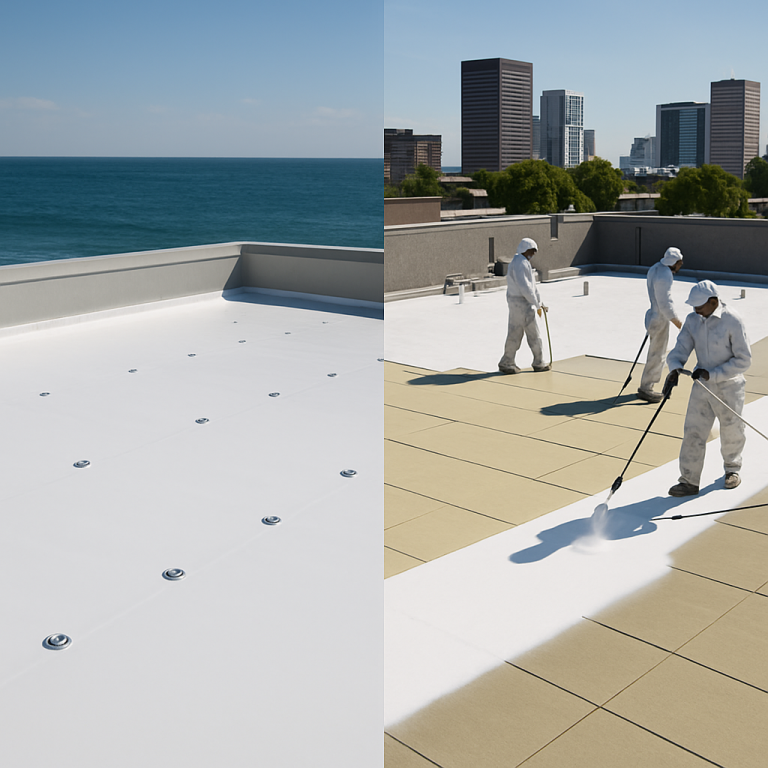
Short version: coatings are cost effective when the roof membrane and substrate are sound, ponding water and flashings are addressed, and the coating manufacturer will warranty the expected remaining service life. If the membrane is delaminated, insulation is saturated, or structural issues exist, a coating only delays the inevitable and creates future capex risk.
What documentation do lenders and insurers expect after commercial roof repairs?
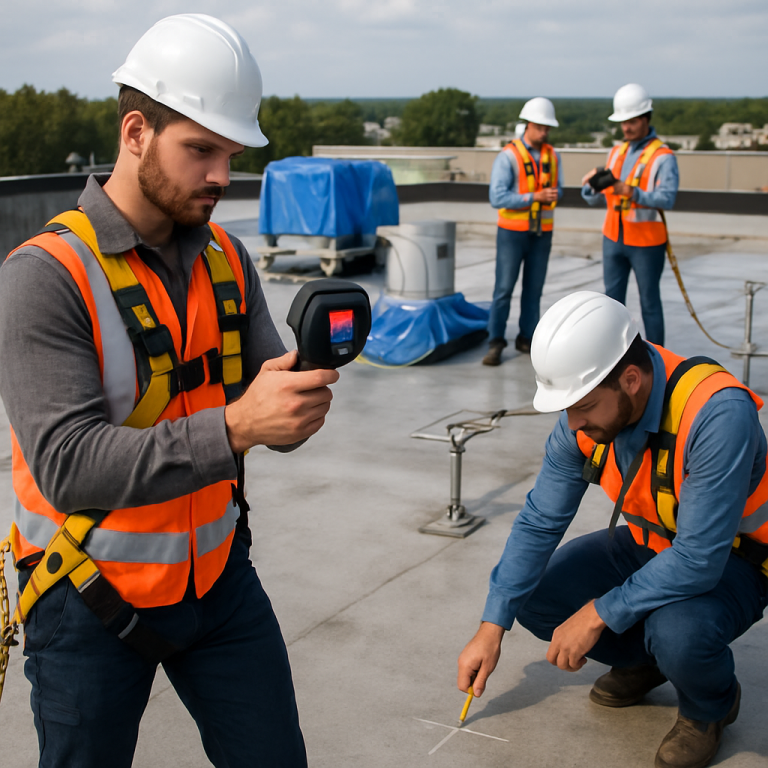
- Inspection report: dated roof condition survey from a qualified inspector with photos and GPS-tagged problem locations
- Scope and invoice: signed scope of work and itemized invoice showing materials and labor
- Before/after evidence: clear photos and a short narrative describing repairs performed
- Warranty and maintenance plan: manufacturer certificate if available and a contractor maintenance schedule
- Follow-up inspection: a post-completion sign-off from the installing contractor or third-party reviewer
How should owners measure tenant impact from roof problems?
Useful KPIs: track leak incidents, time-to-repair SLA, tenant damage claims, and the number of tenant complaints attributable to interior water intrusion. Correlate those metrics with lease renewals and vacancy periods to quantify revenue risk.
Can roof repairs lower insurance premiums?
Reality check: repairing chronic failure modes and keeping a documented maintenance log reduces underwriting friction and can prevent premium increases or limit exclusions. Direct rate reductions do happen, but they depend on the carrier and the scale of risk reduction you can prove.
Concrete example: a facility manager for a single-story warehouse with an aging EPDM roof tracked multiple leak events over two seasons. After commissioning targeted membrane repairs, flashings replacement, and a manufacturer-backed coating for high-risk zones, leak events fell to a single, noncritical occurrence per year and the building owner avoided a tenant claim that would have required interior remediation. The documented work also removed a lender's requested reserve during refinancing.
Common misperception: owners often assume a cosmetic patch or temporary sealproof is sufficient for appraisal and insurance purposes. It rarely is. Appraisers and underwriters look for evidence the failure mode was fixed, not masked. That means addressing underlying causes such as poor drainage, failed flashings or saturated insulation.
Next actions to implement now: 1) Order a focused roof condition survey that includes GPS-tagged photos; 2) get competitively bid, scope-specific proposals that include manufacturer warranty language; 3) assemble a documentation packet (report, SOW, photos, invoice, warranty) to hand to your appraiser, lender and insurer.