
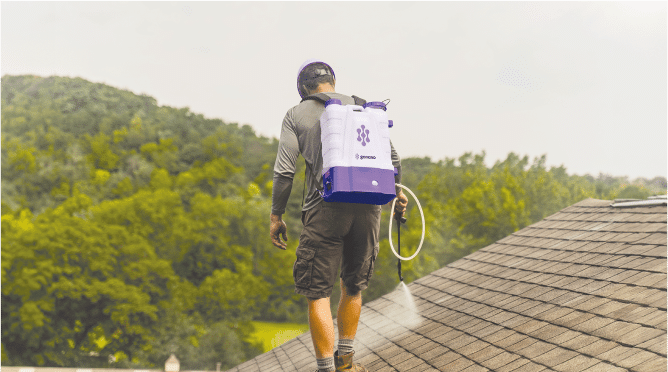
Roofing in mississippi requires a different checklist than inland markets because high humidity, hurricanes, and coastal salt accelerate membrane failure and complicate repairs. This practical guide gives facility managers step-by-step inspection cadences, coating-selection rules, permitting checkpoints, contractor-vetting language, and budget benchmarks so you can extend roof life, limit weather-related downtime, and produce spec-ready RFQs.
Mississippi roofing risk profile and common failure modes
Primary drivers of failure: Gulf Coast wind and salt, frequent heavy rainfall, and year-round humidity accelerate the specific deterioration patterns you will actually fix on site. These conditions change which defects matter first: fastener and seam corrosion, salt-driven galvanic action on metal details, and persistent ponding that turns a repair into recurring work.
What shows up most often (and why it matters)
- Membrane seam splits and adhesive failure: Repeated thermal cycling and UV exposure in Mississippi cause adhesive breakdown on TPO and older PVC seams. When seams fail, water follows flashings and curbs rapidly; a seam patch is often only a temporary fix unless you address the root cause.
- Ponding-related degradation: Standing water removes plasticizers and increases hydrostatic stress at seams. Ponding areas also breed algae and clog scuppers, turning small leaks into structural rot under insulation.
- Fastener and substrate corrosion on metal roofs: Salt spray + dissimilar metals produce accelerated corrosion at screws, clips, and flashing. The visible rust is only the start; pull-out failures follow once corrosion undermines embedment.
- Biological growth and clogged drainage: High humidity supports moss/algae that hide membrane damage and block drains. Cleaning matters, but cleaning without resolving the drainage profile is wasted effort.
- Shrinkage and embrittlement on older single-ply membranes: TPO and some early-generation membranes become brittle with age and split around penetrations and terminations, especially where wind uplift alternates with ponding.
Practical trade-off: Coatings extend life quickly and cost-effectively when the substrate is fundamentally sound and drains are fixed. They are a poor choice when membranes are brittle, seams are failing in multiple locations, or corrosion has compromised attachment. In practice, insist on adhesion pull-off testing before accepting a coating bid — it prevents a common premature failure mode.
Concrete example: A Gulfport retail strip experienced repeat leaks after heavy summer storms. The fix that stopped repeat work combined re-profiling low slopes to eliminate ponding, replacing two corroded drain assemblies, and applying a silicone coating only to the well-prepared substrate. The result: no return calls for the next three rainy seasons and a measurable reduction in interior water incidents.
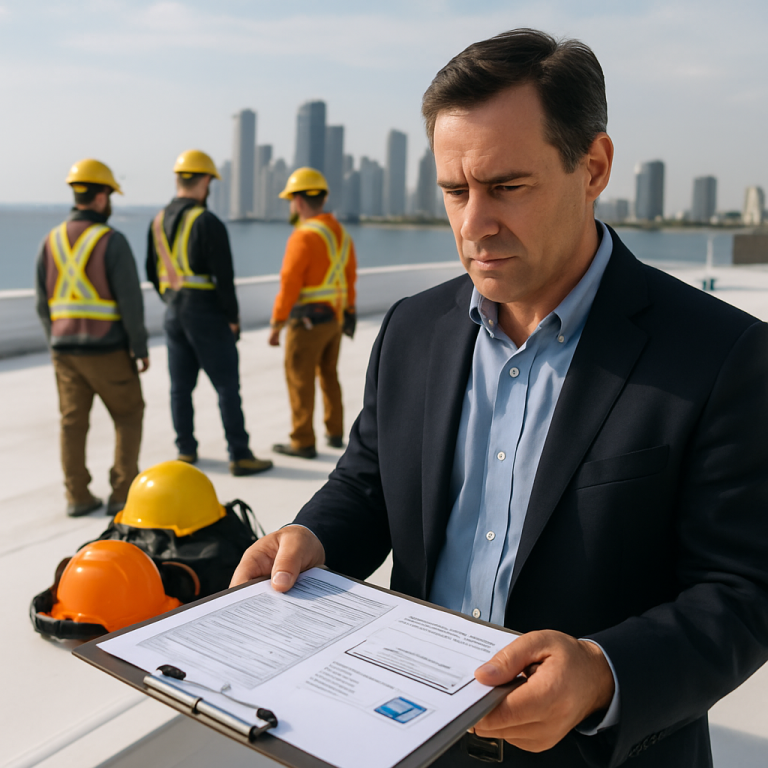
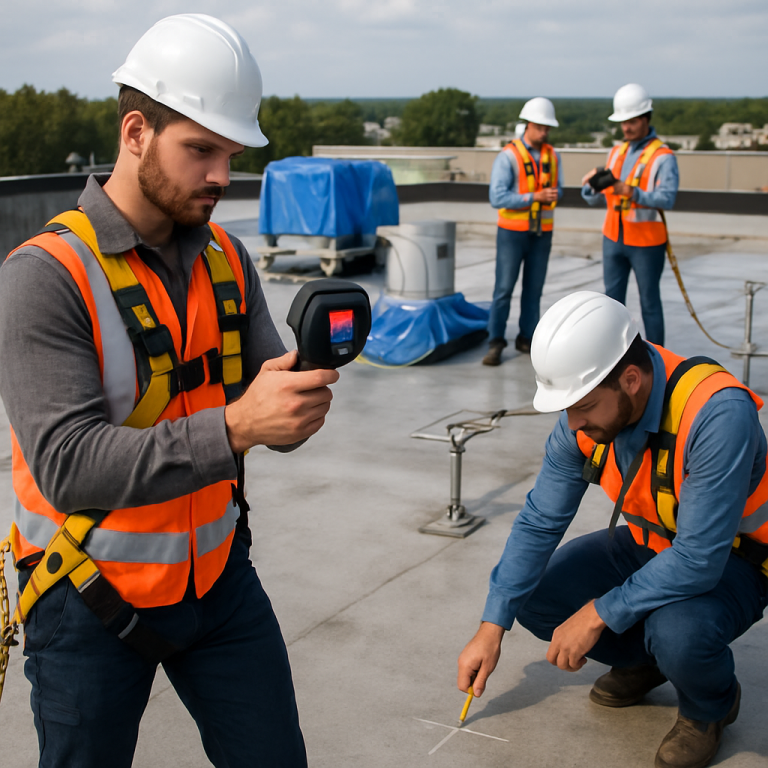
What most managers miss: Visual checks alone under-report damage in humid coastal environments. Salt and moisture hide in insulation, and by the time stains appear internally, the roof deck and fasteners are often compromised. Require moisture surveys and selective core pulls on suspect areas, and document results before any contractor begins work.
Actionable point: Prioritize drains, scuppers, and perimeter terminations during every inspection—fixing those three items reduces most repeat failures in Mississippi properties.
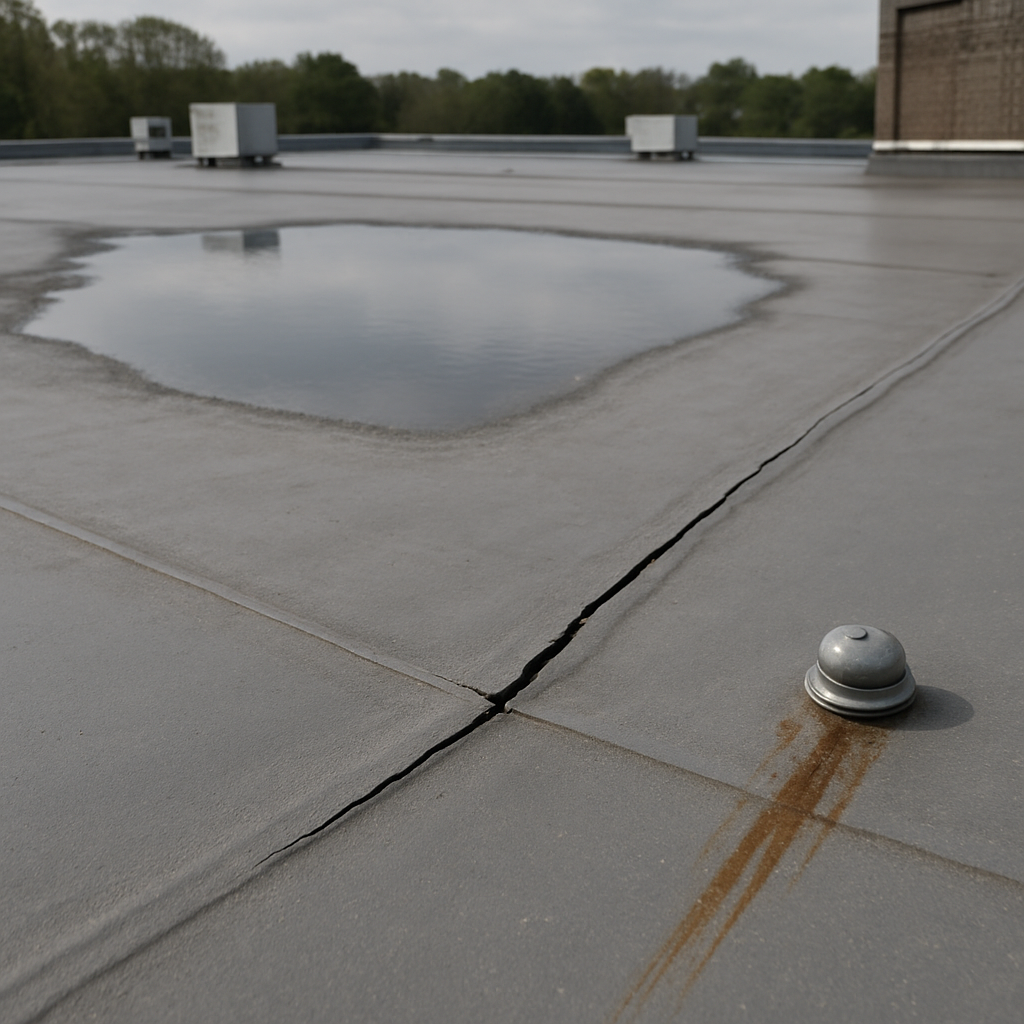
Next consideration: Use this risk profile to set inspection priorities and test requirements in RFQs. If your asset is in Gulfport, Biloxi, Jackson, or another coastal jurisdiction, add documented pull-off testing and moisture scans to the tender to avoid common post-project failures.
Frequently Asked Questions
Straight answer first: Facility managers most often ask what will stop recurring leaks, what a coating will actually buy them, and how to avoid surprises from local permitting or insurance. The answers are practical and conditional — there is no one-size-fits-all fix for roofing in mississippi because coastal exposure, drainage profile, and substrate condition change the right move.
Common operational questions and clear responses
Do roof coatings work on wet or stained membranes? Short version: coatings can work, but only after correct surface preparation and documented adhesion testing. If insulation or deck is saturated, a coating only delays failure and can mask the real problem.
How quickly should I act after storm damage to protect warranty and insurance coverage? Act now, document everything. Temporary mitigation within 48 to 72 hours is routinely required by insurers to avoid claim denial. Photograph damage, log communications, and get a written mitigation scope from a vetted contractor.
Can I pick the lowest bid from local roofers in mississippi? Low bids are tempting but frequently cost more over a 3–5 year window if the contractor lacks manufacturer authorization or skips required pull-off testing. Prioritize bids that include third-party adhesion tests and clear warranty transfer language.
Are there code or permit traps I should ask my building department about before tendering work? Yes. Ask which version of the International Building Code is enforced locally and whether your property falls inside a coastal high-wind zone or FEMA V zone. These factors dictate uplift design, fastener schedules, and sometimes force replacement rather than patching.
Will a reflective coating reduce HVAC costs enough to justify the program? It can, particularly on metal and dark single-ply roofs in inland Mississippi locations. Expect measurable savings only when the coating is combined with good insulation levels and when the roof surface is in sound condition; reflectivity is not a substitute for repairing active leaks or poor drainage.
What documentation should I require from contractors to make a claim defensible? Require dated pre- and post-work photos tied to a roof plan, manufacturer product data sheets and batch numbers, adhesion test reports (ASTM D4541), and a written warranty specifying coverage for ponding and wind uplift if applicable.
Concrete example: After a tropical storm, a Jackson warehouse manager followed protocol: they photographed every suspected leak, ordered an infrared scan within a week, had a temporary tarp installed that same day, and engaged a contractor who performed pull-off testing before applying a coating. That documentation prevented a coverage dispute with the insurer and justified a 6-year extended warranty from the coating manufacturer.
Practical trade-off to accept: If quick capital is the constraint, a targeted repair program focused on drains, flashings, and seam repairs delivers the highest short-term reduction in leak events. A full coating program buys service-life extension only when those drainage and attachment issues are already resolved.
Next actions you can implement this week: 1) Schedule an infrared or moisture survey for suspect areas; 2) Add a mandatory adhesion (pull-off) test clause to any coating RFQ; 3) Call your local building department to confirm applicable IBC/ASCE adoption and any coastal wind requirements. If you need a local applicator list, check Roof Waterproofing Company and verify manufacturer authorization.